

Creating a Landscape with Authentic Texture and Heritage Appeal
A classic garden rarely comes from perfect symmetry or materials that look freshly produced. Its appeal usually develops through texture, weathered character, and details that feel connected to the land around them. For homeowners considering landscaping stone Columbia MO, natural materials can be especially useful when the goal is to create a space with warmth and a sense of history. Stone paths, garden edging, low walls, and carefully placed steps can soften the transition between planted areas and built features. Because every piece carries slight differences in tone, surface, and shape, the finished result feels collected over time rather than copied from a catalogue.
Pathways are one of the easiest places to introduce that traditional character. Flagstones with irregular edges can guide visitors through flower beds without making the route feel rigid, while smaller stones can define borders around herbs, shrubs, or cottage-style planting. The gaps between pieces may even become part of the design, allowing low-growing plants or gravel to add another layer of texture. In a courtyard, natural stone underfoot can give a new space the relaxed feel of an older terrace. The effect is subtle, but it changes how the garden is experienced, especially when the materials complement brick, timber, or established planting.
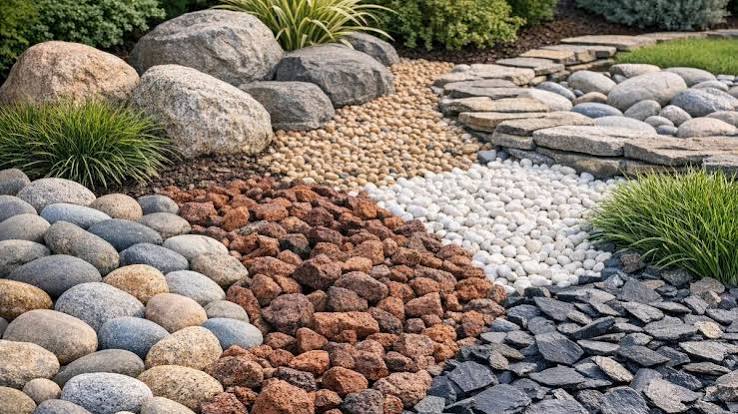
Steps and changes in level offer another opportunity to make the landscape feel more substantial. Rather than treating a slope as an inconvenience, natural stone steps can turn it into a feature that adds rhythm and movement. Larger pieces often work well where the garden needs a strong visual anchor, while smaller stones can connect terraces or lead toward seating areas. The slight variations found in real stone keep these features from looking overly engineered. That matters in traditional landscapes, where charm often comes from small imperfections and a sense that the garden has evolved naturally instead of being completed all at once.
Decorative stone can also bring depth to areas that might otherwise feel flat or unfinished. A few larger rocks near ornamental grasses, a stone edge around a mature tree, or a simple feature beside a water element can add weight without overwhelming the planting. Commercial properties can use the same approach around entrances, courtyards, and pedestrian areas, particularly when the architecture benefits from a more established appearance. Choosing stone that works with the scale of the property is important. Too many competing textures can create clutter, while a limited palette of complementary materials usually produces a calmer, more convincing old-world look.
Good garden design is not about making every surface perfectly matched. It is about choosing materials that seem comfortable together and allowing natural variation to do some of the visual work. When selecting landscaping stone Columbia MO, property owners can look beyond basic function and consider how color, texture, proportion, and placement contribute to the atmosphere of the space. The right stone can make a pathway feel inviting, give steps a handcrafted quality, and help borders settle naturally into surrounding planting. With thoughtful choices, a residential garden or commercial landscape can gain the timeless character, depth, and quiet sense of permanence that makes traditional outdoor spaces so appealing.